


Phoned to see if we could bring wheel with burst tyre for replacement but the guy said they were due to close in 20 mins. However, he stayed open to fix it and I can’t recommend them highly enough! Well done for excellent customer service GM tyreshop.


What does a TPMS do?
Tyre pressure monitoring systems, as you could probably guess, monitor the pressure of your tyres.
If the system detects that the pressure in one or more of your tyres has dropped below a certain threshold, a warning light will illuminate on the dashboard, usually accompanies by some sort of audio alert.
If you have recently bought a new car, you will definitely have tyre pressure sensors as all new passenger vehicles sold since 2014 are legally required to do so.
Sometimes, a quick top up of tyre pressure will resolve all your issues, but occasionally there is a deeper lying issue, and that is where the Glasgow TPMS experts at GM Tyre Shop come into play.
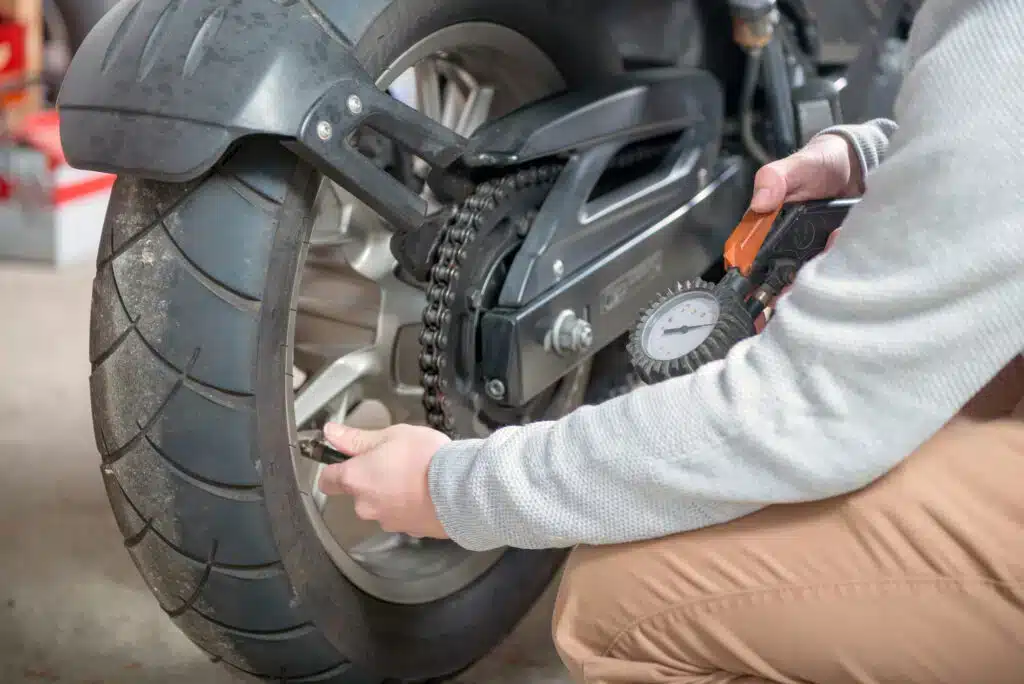
How does a Tyre Pressure Monitoring System work?
A tyre pressure monitoring system – TPMS, is designed to warn you if one of your tyres is significantly under inflated.
Depending on the type of TPMS system you have installed, it does this by either constantly monitoring the pressure of each tyre individually (Direct TPMS), or by monitoring for overall pressure imbalance (Indirect TPMS).
Since 2014, it has been a legal requirement for all new passenger vehicles manufactured within the EU, and the UK, to be fitted with a TPMS and a faulty system can result in MOT failure so it is critical you visit the GM Tyre Shop in Glasgow if you are having issues with yours.
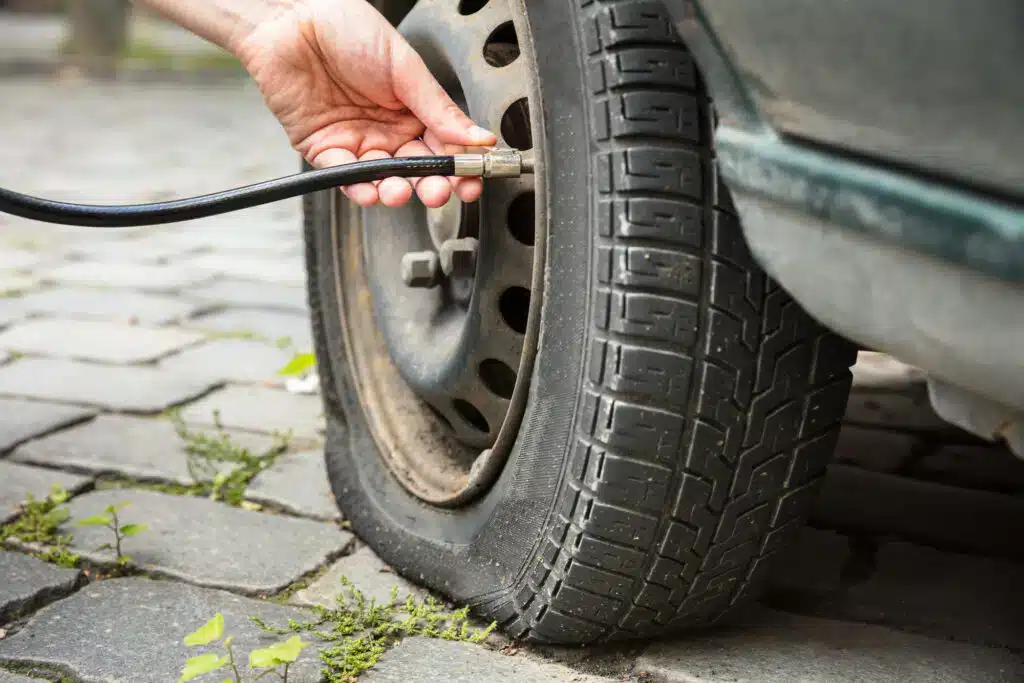
Direct TPMS vs Indirect TPMS
There are two main types of TPMS systems fitted on cars and other vehicles in the UK.
Direct TPMS
The most common, and best, kind of TPMS system. Direct TPMS systems have a sensor installed on the valve of each of your tyres, and use radio sensors to directly measure the pressure within. This provides you with an accurate reading of the pressure in each tyre and makes it a lot easier to identify the location of any issues.
The only real issue with Direct TPMS is that they can become faulty if the valve is damaged, but this is an easy fix for our Glasgow tyre professionals.
Indirect TPMS
Indirect TPMS use the vehicle’s in-built ABS sensors to detect when there is a discrepancy between the rotational speeds and vibrations of your tyres.
Such differences can be a sign that there is a pressure difference between tyres and indirectly indicates pressure loss.

Benefits of TPMS
Properly inflated tyres are essential for road safety and identifying rapid pressure loss can help you avoid driving in unsafe conditions, protecting you, your passengers, and other road users.
Just some of the benefits of having a TPMS sensor installed include:
- Reducing the risk of road traffic accidents
- Improved fuel economy (under inflated tyres cause a vehicle to use far more fuel that necessary.
- Reduced braking distance
- Better vehicle handling
- Extends the lifespan of your tyres

How to spot a Faulty Tyre Pressure Sensor
The most obvious sign there might be something wrong your your TPMS sensors is that the light is illuminated but you have manually checked your tyres and the pressure is fine.
It is not the only one, however. What about sensors that don’t come on when there is a pressure issue? This is a much more dangerous problem.
If you have seen any of the following, with no obvious cause, a faulty TPMS sensor may well be to blame:
- Increased Fuel Consumption – Under inflated tyres use more fuel.
- Dead Batteries – Your TPMS system uses the cars battery and may be drawing excess power if there is a fault.
- Handling Issues – Tight or jerky steering could be a sign of low pressure.
- Recent tyre replacement – If you recently had your tyres replaced poorly, the sensor may have issues. Don’t make that mistake again, always come to GM Tyre Shop for your tyre needs.

What should I do if the tyre pressure warning light comes on?
If your tyre pressure warning light comes on, there are a couple of things that could be wrong.
You could have a faulty TPMS sensor, or the sensor could simply be doing its job and one of your tyres is not at the optimum pressure.
Either way, the expert team at GM Tyre Shop are here to help. We offer both puncture repair and tyre replacement so if it is an under inflated tyre you are dealing with, we will have you back on the road and your TPMS satisfied once again in no time at all.
If your tyre pressures are fine, the TPMS warning light is likely a sign of an issue with the TPMS sensors instead. Luckily, TPMS problem diagnosis and repair is another of our specialties and we may be able to replace yours without new tyres being required. If not, we will show you exactly why this is the case and walk you through our range of market leading tyres to help you find a replacement, all in the same service.

